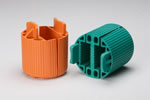
They are not a specific type of air cleaner filter, but rather a specific filtration standard which many types of filters may meet. ULPA filters are among the highest efficiency rated filters available. The implementation of this level of air filtration is crucial as ULPA filtration has the ability to stop the spread of airborne infectious disease and toxic agents. Read More…
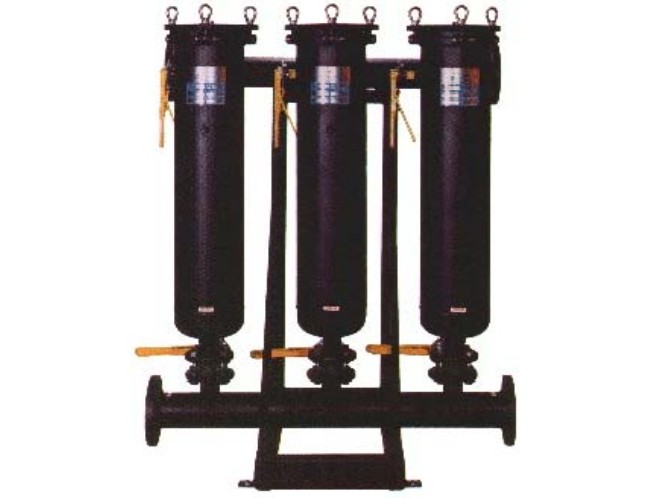
Duraflow Industries is the premier aftermarket and OEM supplier of various filtration products. We feature a complete line of filters for applications such as air scrubbers, absorption of thousands of organic compounds, drinking water filtration, and waste water abatement. Our just-in-time production techniques allow us to maintain production flexibility and meet fast turnaround times. From...
For more than 25 years, RoboVent's focus has been on the delivery of clean air and healthy environments in manufacturing facilities. This has earned us the leading position in the collection and filtering of airborne contaminants generated by metalworking and other industrial processes. We are passionate about providing clean air solutions to the industry, and this dedication to the cause brings...
Clean Liquid Systems is a leading manufacturer of air and liquid filters. Our number one priority is to create the best filters that match the needs of our customers. We strive to have a fast turnaround while not reducing the quality of our products. Filtration is the only thing we do and ensure that we make our products right. We provide our customers with hundreds of years of experience and...
Our world-class facilities set us apart from the competition. We work hard to make our customers happy with our air filters. We can provide what you need to keep your air clean in whatever industry you are in. Our goal is to exceed your expectations so you can focus on what you do best! Whether you need support in design, products, delivery, or support, we can supply it all!
At Hengst Air Filtration, we are driven by a passion for clean air and advanced filtration solutions that safeguard both people and equipment. We design and manufacture high-performance air filters that meet the demanding requirements of a wide range of industries, from automotive and heavy equipment to industrial facilities, cleanrooms, and HVAC systems.
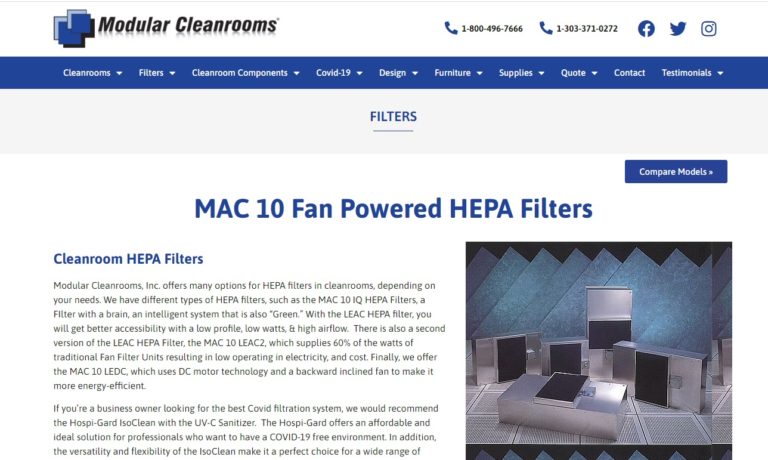
MCR inventories a large stock of Cleanroom Fan Powered and Ducted Air Filters. The Mac 10 FFU is known for being the quietest filter available and has been tested below 5O dBA with a rated flow of 90 FPM. Its modular design fits conveniently into 2`x4` to 2x2 T-Bar drop ceilings, and with a low profile of less than 13" it permits installation into tight ceiling spaces. Contact our company today!

More ULPA Filter Manufacturers
ULPA Filters: Advanced Air Filtration Solutions for Critical Environments
Ultra-Low Penetration Air (ULPA) filters represent the gold standard in air purification technology, delivering exceptional particle retention for environments where air quality is paramount. ULPA filters are designed to capture at least 99.999% of airborne particles measuring 0.12 microns or larger, making them indispensable for industries demanding the highest levels of contaminant control. If you’re seeking to understand what ULPA filters are, how they work, and which applications benefit most from their use, this comprehensive guide will help you make informed decisions about your air filtration needs.
What Are ULPA Filters?
ULPA filters, or Ultra-Low Penetration Air filters, are advanced air filtration devices engineered to remove microscopic particulates, bacteria, viruses, and aerosols from the air. With a filtration efficiency surpassing that of HEPA (High Efficiency Particulate Air) filters, ULPA technology is essential in settings where even the smallest contaminants pose significant health or operational risks. Their ability to provide "absolute filtration" means that ULPA filters can create nearly particulate-free air, which is crucial for maintaining safety, product integrity, and compliance in regulated environments.
Key Applications and Industries Utilizing ULPA Filters
ULPA filters are vital in numerous high-stakes applications where air purity can impact health, safety, or product quality. Below are some of the most common industries and scenarios in which ULPA air filters are utilized:
- Healthcare Facilities: Hospitals and healthcare organizations deploy ULPA filters in isolation rooms, intensive care units (ICUs), operating rooms, and biological safety cabinets to prevent the transmission of infectious diseases and protect immunocompromised patients.
- Pharmaceutical and Biopharmaceutical Manufacturing: Cleanrooms and laboratories rely on ULPA filtration to maintain sterile conditions, ensuring that sensitive research and drug formulation processes remain uncontaminated by dust, microbes, or chemical vapors.
- Aerospace and Defense: Aerospace manufacturing and military facilities use ULPA filters to safeguard critical components and maintain operational integrity in environments where even trace contamination can compromise mission success.
- Animal Handling and Vivariums: Animal research centers and vivariums employ ULPA filtration to minimize pathogen transmission and safeguard the health of research animals and personnel.
- Microelectronics and Semiconductor Fabrication: Semiconductor fabs and electronics manufacturers use ULPA filters in cleanrooms to prevent sub-micron particles from damaging sensitive circuits and microchips.
- HVAC Systems in Sensitive Environments: Advanced heating, ventilation, air conditioning, and refrigeration systems in laboratories, hospitals, and data centers incorporate ULPA filters to ensure ultra-clean air delivery.
Are you evaluating whether ULPA filters are right for your cleanroom, hospital, laboratory, or controlled environment? Explore our in-depth guides on choosing the optimal air filtration solution for your specific application.
How Do ULPA Filters Work?
ULPA filters function by forcing air through a dense matrix of randomly arranged, ultra-fine fibers that physically trap airborne particles. The primary mechanisms behind their filtration efficiency include:
- Interception: Particles following the airstream come within one radius of a fiber and adhere to it.
- Impaction: Larger particles are unable to follow the curving contours of the airstream and collide directly with fibers.
- Diffusion: Submicron particles, especially those below 0.1 micron, move erratically (Brownian motion) and are more likely to collide with fibers and be captured.
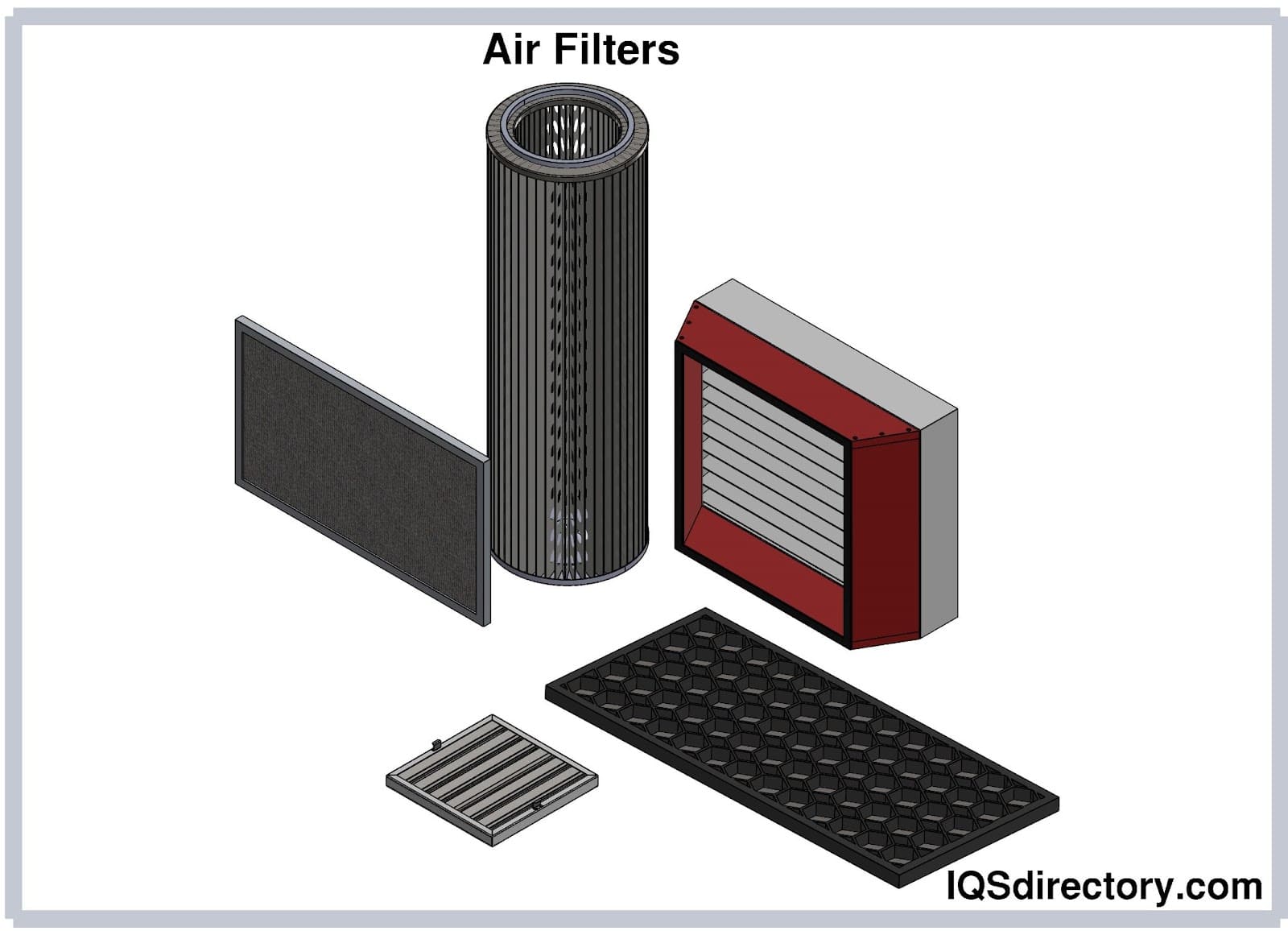
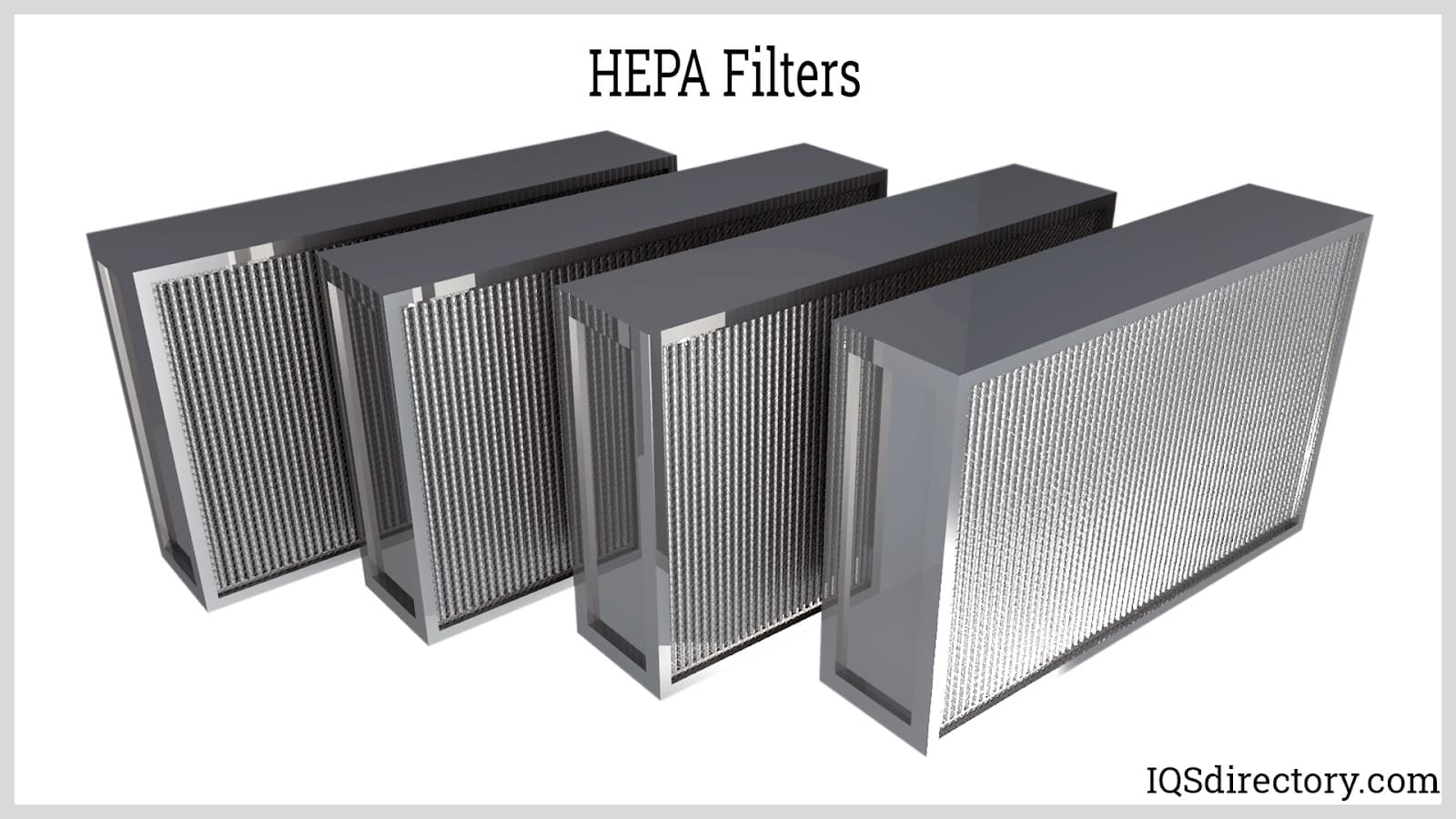
In most cases, ULPA filters are constructed from spun-hooked fibers—such as glass fiber, cellulose acetate, ceramic, carbon, cotton, or polyester—formed into a paper-like medium. This filter media is then arranged into pleated panels to maximize surface area while maintaining a compact footprint. The pleating allows for greater air handling capacity without requiring a larger frame, making ULPA filters both efficient and space-saving.
ULPA Filter Construction: Materials, Frames, and Pre-Filtration
When selecting a ULPA filter, it’s essential to understand the construction and material options, as these influence performance, durability, and chemical compatibility. Here’s what you need to know:
Filter Media and Fiber Selection
The effectiveness of an ULPA filter is largely determined by the porosity and composition of its filter media. Porosity, measured in pores-per-linear-inch (ppi), is a key factor: lower porosity means denser fibers, allowing less air to pass but capturing more particles. Common filter media include:
- Glass fiber (offers high particle retention)
- Polyester and cotton blends (provide additional strength and flexibility)
- Ceramic and carbon fibers (used for specialized chemical resistance and high-temperature applications)
- Cellulose acetate (frequently used in cleanroom and laboratory environments)
Frame and Housing Materials
ULPA filter panels are mounted within durable frames or housings designed to maintain their structural integrity and prevent air bypass. Typical frame materials include:
- Aluminum (lightweight, corrosion-resistant, ideal for cleanrooms and laboratories)
- Plastic (cost-effective and chemical-resistant)
- Steel (offers superior strength for industrial and military applications)
- Teflon and modified acrylics (provide advanced chemical resistance for specialized uses)
Wondering which frame material is best for your facility’s requirements? Compare the pros and cons of aluminum, plastic, steel, and specialty housings for ULPA filters in our detailed resources.
Pre-Filtration: Enhancing ULPA Filter Longevity and Efficiency
To maximize the operational lifespan and efficiency of ULPA filters, many facilities employ pre-filters to capture larger particulates before air reaches the ULPA stage. Common pre-filter options include:
- Foam filters (ideal for trapping dust and debris in HVAC and cleanroom environments)
- Electrostatic filters (capture both large and small particulates through static charge)
- Pleated panel pre-filters (maximize surface area for dust and pollen removal)
By removing coarse contaminants, pre-filtration reduces the load on ULPA filters, allowing them to focus on ultra-fine particles and extending their useful life—often by several years. This multi-stage filtration approach is especially important in high-traffic or high-contaminant environments, such as hospitals, pharmaceutical manufacturing, and electronics assembly.
ULPA vs. HEPA Filters: What’s the Difference?
Both ULPA and HEPA filters are used for high-efficiency air purification, but there are crucial differences:
- HEPA filters capture at least 99.97% of particles 0.3 microns in size.
- ULPA filters provide even greater efficiency, capturing 99.999% of particles down to 0.12 microns.
While HEPA filters are sufficient for many cleanrooms, labs, and medical facilities, ULPA filters are the preferred choice for applications demanding ultra-stringent contamination control—such as semiconductor fabrication, pharmaceutical production, and certain hospital isolation settings. For guidance on which filter is right for your use case, see our side-by-side comparison of HEPA and ULPA air filtration technologies.
Advantages and Benefits of Using ULPA Filters
Investing in ULPA filtration offers a range of advantages for mission-critical and health-sensitive environments:
- Superior Air Quality: Achieve near-sterile air conditions, reducing the risk of airborne infections and product contamination.
- Regulatory Compliance: Meet and exceed air cleanliness standards set by organizations such as ISO, FDA, and USP for cleanrooms and lab environments.
- Product Integrity: Prevent micro-contamination that could compromise research, manufacturing yields, or patient outcomes.
- Enhanced Equipment Longevity: Protect sensitive equipment and instruments from dust and particle buildup.
- Improved Occupational Safety: Safeguard staff, patients, and research animals from hazardous airborne substances.
Ready to discover the specific benefits ULPA air filters can deliver for your facility? Request a free consultation to assess your filtration requirements and compliance goals.
Key Considerations When Selecting ULPA Filters
Choosing the right ULPA filter involves evaluating a variety of technical and operational factors to ensure optimal performance and value. Consider the following:
- Efficiency and Particle Size: Verify the filter’s rated efficiency and the specific particle size it can capture—critical for compliance and safety.
- Airflow Rate and Pressure Drop: Assess the filter’s impact on system airflow and whether your HVAC or cleanroom system can accommodate its resistance.
- Dimensions and Configuration: Ensure compatibility with existing housings, racks, or filter banks in your facility.
- Material Compatibility: Select filter media and frames that withstand the chemicals, humidity, or temperatures present in your application.
- Maintenance and Replacement Intervals: Factor in ease of installation, frequency of replacement, and the availability of replacement filters.
Need help selecting the right ULPA filter for your unique environment? Consult our interactive filter selection tool or speak directly with our technical experts for personalized recommendations.
Common Challenges and Solutions in ULPA Filtration
Despite their high performance, ULPA filters present certain challenges that buyers should be aware of:
- Shedding of Filter Particles: Over time, some filters may release fibers or particulates back into the air. Advances in manufacturing and quality control have significantly minimized this risk.
- Out-Gassing: Some filter media may emit volatile organic compounds (VOCs), potentially impacting sensitive environments. The use of low-emission materials and additives like polypropylene can mitigate this.
- Chemical Resistance: Exposure to aggressive chemicals or sterilants can degrade filter performance. Polypropylene and specialty fiber blends enhance resistance to chemical attack.
- Airflow Restriction: The dense media needed for ultra-fine filtration can increase system resistance. Optimize HVAC systems and consider fan upgrades to compensate for added pressure drop.
How can you overcome these challenges? Read our troubleshooting guides for ULPA filter installation, operation, and maintenance best practices.
Maintenance, Testing, and Replacement of ULPA Filters
Proper maintenance and regular testing are essential to ensure ULPA filters continue to provide maximum protection. Here’s what facility managers and engineers need to know:
- Routine Inspection: Periodically check filters for visible damage, discoloration, or signs of bypass/leakage.
- Onsite Integrity Testing: Use aerosol challenge tests or photometric scanners to verify filter performance in place.
- Scheduled Replacement: Follow manufacturer guidelines for replacement intervals, which vary depending on application, contaminant load, and pre-filtering.
- Documentation and Compliance: Maintain accurate records of filter installation, testing, and replacement to ensure regulatory compliance.
For step-by-step maintenance procedures and testing protocols, access our comprehensive ULPA filter maintenance manual.
ULPA Filters in Emerging Technologies and Sustainable Applications
With the rise of nanotechnology, biotechnology, and increasingly stringent indoor air quality regulations, ULPA filters are being integrated into more advanced and sustainable systems. Innovations include:
- Energy-Efficient ULPA Filter Designs: New filter media and frame technologies reduce pressure drop, enabling lower energy consumption in HVAC systems while maintaining high filtration efficiency.
- Smart Monitoring: Sensors and IoT-enabled devices now track ULPA filter performance, alerting facility managers to maintenance needs in real-time and supporting predictive maintenance strategies.
- Eco-Friendly Materials: Manufacturers are developing recyclable and biodegradable ULPA filter components to minimize environmental impact.
- Integration with Building Automation: ULPA filtration is increasingly part of holistic building management systems, enabling dynamic air quality control based on occupancy and contaminant levels.
Curious about the future of ULPA filtration? Learn more about next-generation air purification technologies and sustainable filtration trends in our industry reports.
Frequently Asked Questions About ULPA Filters
- What is the difference between HEPA and ULPA filters?
HEPA filters capture 99.97% of 0.3-micron particles, while ULPA filters capture 99.999% of 0.12-micron particles, making ULPA filters suitable for applications with stricter air purity requirements. - How often should ULPA filters be replaced?
Replacement intervals vary by application, but most facilities replace ULPA filters every 1–3 years, depending on contaminant load and use of pre-filtration. - Can ULPA filters be cleaned and reused?
Most ULPA filters are not designed for cleaning or reuse; attempting to do so may damage the delicate filter media and reduce efficiency. Always consult manufacturer guidelines. - What certifications should I look for in a ULPA filter?
Look for filters tested and certified according to ISO 29463, EN 1822, or relevant local standards. Certification ensures performance and compliance. - Where can I buy ULPA filters for my facility?
Browse our directory of ULPA filter suppliers and manufacturers to find solutions tailored to your industry and specifications.
Explore Your ULPA Filtration Options
Whether you manage a hospital, laboratory, semiconductor fab, or cleanroom, selecting the right ULPA filter is crucial for protecting people, products, and processes. With a wide range of filter types, sizes, and configurations available, understanding your unique operational needs will help you maximize air quality, achieve regulatory compliance, and minimize costs.
Take the next step:
- Find ULPA filter manufacturers and suppliers
- Request technical datasheets and performance specifications
- Consult our air filtration experts for a custom solution
- Compare HEPA and ULPA filter options for your application
Still have questions about ULPA filters, air purification, or cleanroom contamination control? Contact us for personalized support, product recommendations, and technical resources tailored to your industry and facility.
Empower your controlled environment with the world’s most advanced air filtration technologies—explore ULPA filters and transform your air quality today.